
10 of the most common bathroom design mistakes people make when planning their bathroom remodel. From designing layouts to styling and budget, here are the tips on how to avoid costly blunders.
Mistakes are part of being human, but some can be costly. When I began working on my first home over 15 years ago, I dove right into the deep end without testing the waters first, “C’mon in, the water is fine!” That’s what we call learning the hard way.
A little research goes a long way. It would’ve clued me into the fact that all white looks great on camera but bland in real life. Now imagine the level of frustration you’d feel midway through your bathroom remodel to discover there’s no space to correctly plumb your toilet or counterspace budgeted for toiletries.
Get your remodel started on the right foot. Learn how to avoid pitfalls to create a seamless sanctuary as I reveal the 10 common mistakes homeowners unwittingly make in bathroom design.
1. Incorrect Measurements
Incorrect measurements are common and costly. To prevent such mistakes from occurring follow the 3 rules of “M”- Map, Measure twice, Minimize.
Map: After demo, physically walk through your ideal layout. How easy is the layout to navigate? Are the outlets accessible for tasks? Do you have room for the toothbrushes, daily toiletries, and the electric razor? Spot for backup toilet rolls? Do you have the necessary structural supports for that heavy towel rack?
Pro Tip: Adding painter’s tape to the floor to show locations of the bathtub, vanity, and other important components can help visualize how much space you actually have.
Measure Twice: Before you’ve installed a single component, double check your measurements. Common missteps can include failing to consider the swing path of a door or properly spacing the toilet and the vanity. An extra wide tub is luxurious but remember to take into consideration that plumbing and fixture spacing will change. Read more about choosing the best bathtub for your remodel here.
Minimize: When thinking of a bathroom remodel, less is more. Where can you create space? What frequently used items need to be within reach?
Handy Bathroom Measurements:
- Toilet: About 2′ x 3′ footprint, and about 14″ to 19″ in height. Code in my area states that the centerline of the toilet flange must be at least 17 inches from the bathtub or shower pan edge.
- Sink/Vanity: Width of a sink varies from 18″ (probably too small) to 30″ or more. How much room does that leave you for space? Countertop depth is often around 20″-21″ and height ranges between 32-36″.
- Shower: Standard standalone shower stall size is 32″ x 32″. More spacious designs can be 36″ x 48″ or larger. Walk-in showers can be much larger.
- Bathtub: Standard bathtub averages 60″ long x 30″-32″ wide. Soaking or freestanding tubs can be larger and vary in size and shape.
- Seek professional guidance if you’re not confident or dealing with complicated measurements.
*Keep in mind that building codes vary by locality- state, county, even city limits or ordinances.
2. Not Having a Vision Board
How do you begin a room makeover? I use the same streamlined process every time. I ask for 3-4 inspiration photos or a shared Pinterest board.
One person’s interpretation of boho chic or coastal farmhouse may not be anywhere close to yours, even if that person is your spouse. Look for common themes in inspiration visuals to pull it together.
Give yourself some flexibility in direction. There’s no need to buy all at once. While it’s super cute to see collages of design finishes together, they never show you how much of each finish is used. That makes a HUGE difference.
3. Not Enough Budget Room
“Hope for the best and prepare for the worst.” This is the unspoken DIY credo.
Take a hard look at your budget while planning your bathroom remodel and add wiggle room. I’ve tackled countless renovation projects over the years from painting the garage floor to renovating my entire kitchen. Some came in way under budget, and a few were nearly double.
I’ve learned that a comprehensive project budget includes room for materials, fixtures, labor, permits, and unforeseen issues such as:
- Materials left off our list.
- Underestimated material costs.
- Items we couldn’t return.
- Unpleasant discoveries of mold or dry rot.
- Antiquated plumbing.
- Electrical problems.
Just as a reference, for our master bathroom complete gut remodel (coming some day!), I have budgeted at least $15,000 if we do all the work ourselves. We will be rebuilding the vanity ourselves with new fixtures, countertops, and sinks. The corner jet tub is being replaced and the shower expanded, so we have to move plumbing. Price out your main fixtures to get reference points for your budget.
4. Not Ordering Samples
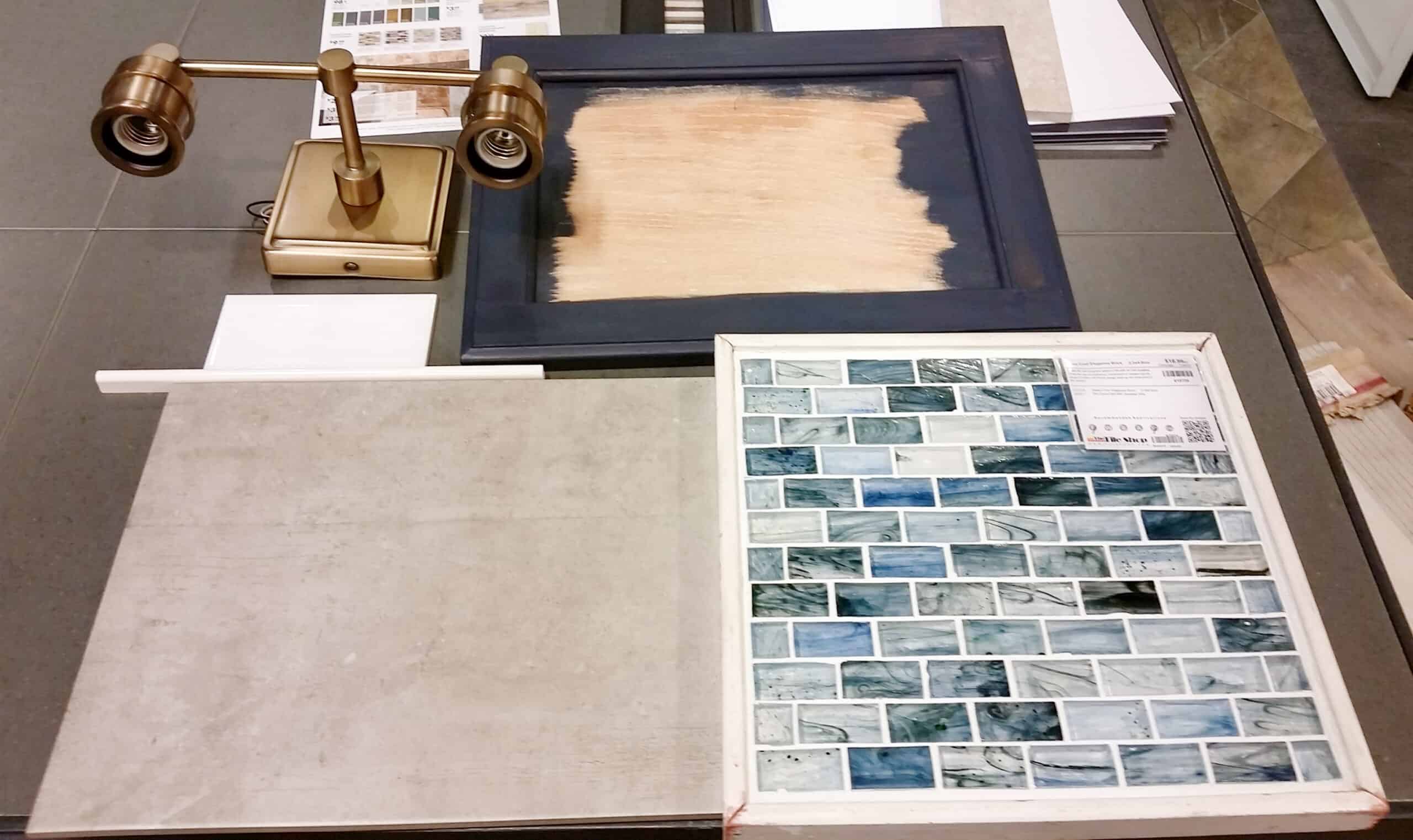
Speaking of budget, I highly suggest setting aside $100-200 for samples. You will sidestep costly budget mistakes where undertone clashes or busy patterns undermine your design. Viewing samples in the store isn’t enough because lighting conditions make a significant impact on color hue. Read my best tips for choosing your perfect paint color here.
I recommend gathering as many scaled versions of items as possible while working on your design plan. Begin layering them in your actual space and looking at them filtered through different lights from morning sun to evening lights. Even with all of the projects under my belt, I’m still surprised sometimes at how things change.
Standard Samples to get:
- Flooring
- Cabinetry
- Tile
- Hardware Finishes
- Paint Swatches
- Fabric Swatches for Curtains or Towels
5. Mixing Patterns
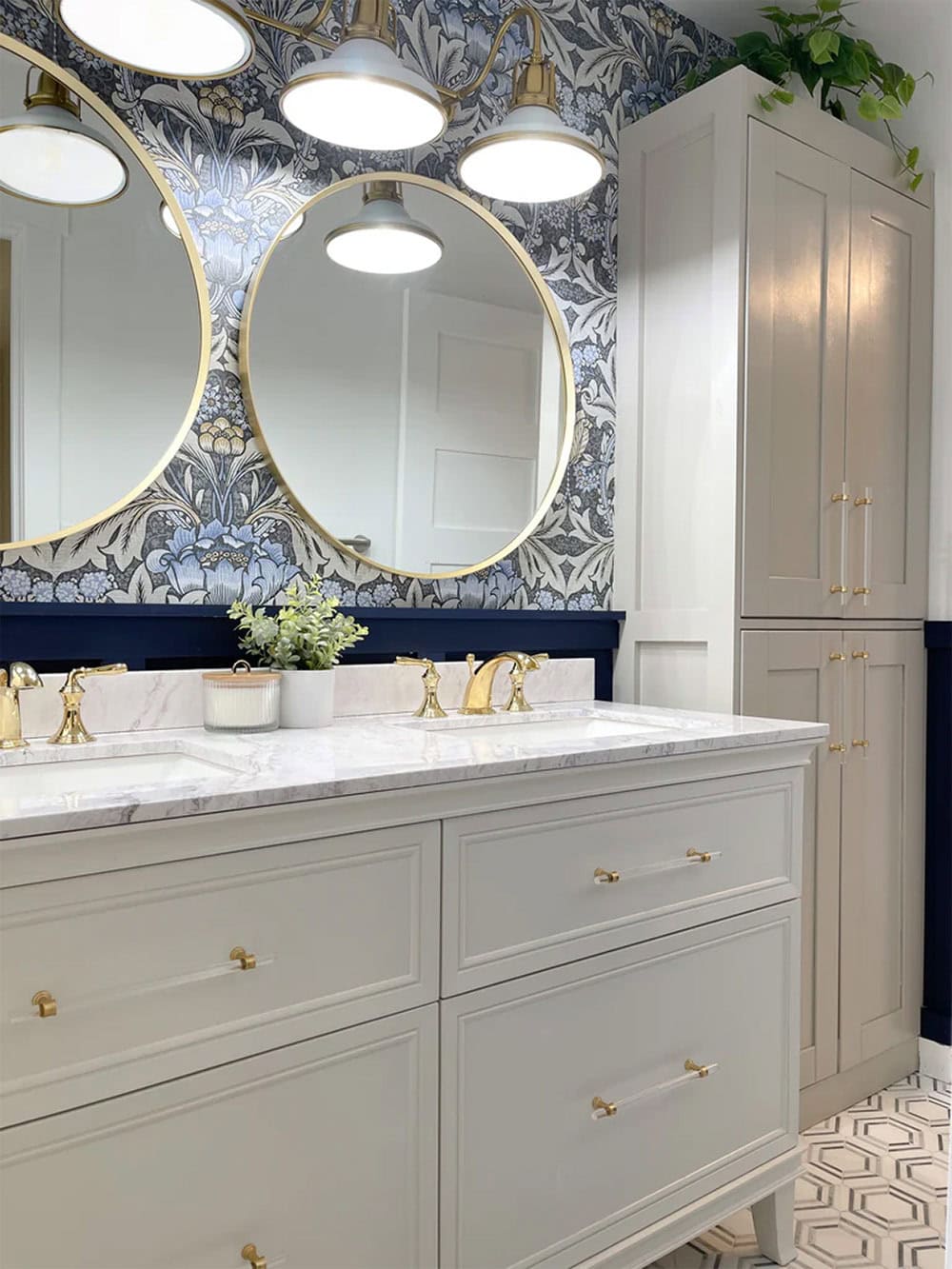
Speaking of busy patterns, patterns in small spaces require a keen eye to edit. The goal is to draw the eye around without creating competition. Although there isn’t any official “rule,” I’d advise sticking to 2-3 patterns that share a motif, color, or shape. Here’s some other keys to success:
- Choose a hero pattern and build from there.
- Select patterns with a cohesive color pattern, but don’t be too matchy-matchy.
- Avoid combining patterns with a similar scale, opt for a similar shape in different scales.
- Save some room for negative space or use texture in place of a bolder pattern. The wall moulding in the photo above serves this purpose.
Subway tiles are a great option for playing with pattern designs. Who said rectangular subway tile had to be laid in straight rows? Read more about how to break up the monotony of traditional rectangular subway tile patterns.
6. Understanding Maintenance of Materials
The bathroom is high maintenance in general. This is one area in your home that has to withstand “rough weather”- dampness, traffic, and dirt. Therefore, improper material choices risk water damage, mold, and slippery surfaces. For lower maintenance, I’d advise against the following materials:
- Black tile. Black notoriously shows dust and water spots easily.
- Real Marble. I have a real marble floor tile in a powder room (faux marble wasn’t as common back then). I have to reseal it yearly to keep it looking fresh and I already had to regrout the tile. Real marble must have white or very near white grout.
- Penny Tile with light grout. Penny tile is beautiful, but grout collects dirt and the more grout you have, the dirtier it will look over time, especially floors and kids bathrooms.
- Wallpaper that isn’t moisture resistant. Steam will make that beautiful wallpaper a bubbling mess in no time.
- Carpet or Hardwoods. I have had the unfortunate experience of having a carpeted bathroom. I cannot overstate this enough- Gross!
- Cement Vanities or Tile. No thank you Pinterest. Although budget friendly, cement is highly porous and needs to be sealed often to keep from stains and water spots. Instead, you can use printed ceramic tile that looks like cement like we used in our guest bathroom reveal.
7. Future Proofing
The only constant in life is change. The challenge with any room remodel is to look beyond our needs today and to consider what our needs may be in 5-10 years.
For example, consider your home’s resale value. If you plan to list on your home at some point, I’d encourage you to choose a timeless design and stick to trendy accessories. Is this your forever home? Take into consideration the possibility of mobility issues as you age.
To achieve a future-proof design that works in the present and future, follow some general rules of thumb:
- Install a soaking tub. No tub is a potential dealbreaker for homebuyers.
- Select bathroom tile that doesn’t go out of style quickly- neutral colors & natural materials.
- Use mixed metal accents.
- Update your plumbing. Give your current pipes a thorough inspection and replace any antiquated materials.
- Add structural support for items like handrails or a shower bench to proactively plan for ageing needs.
- Err on the side of needing more, rather than less storage.
8. Storage
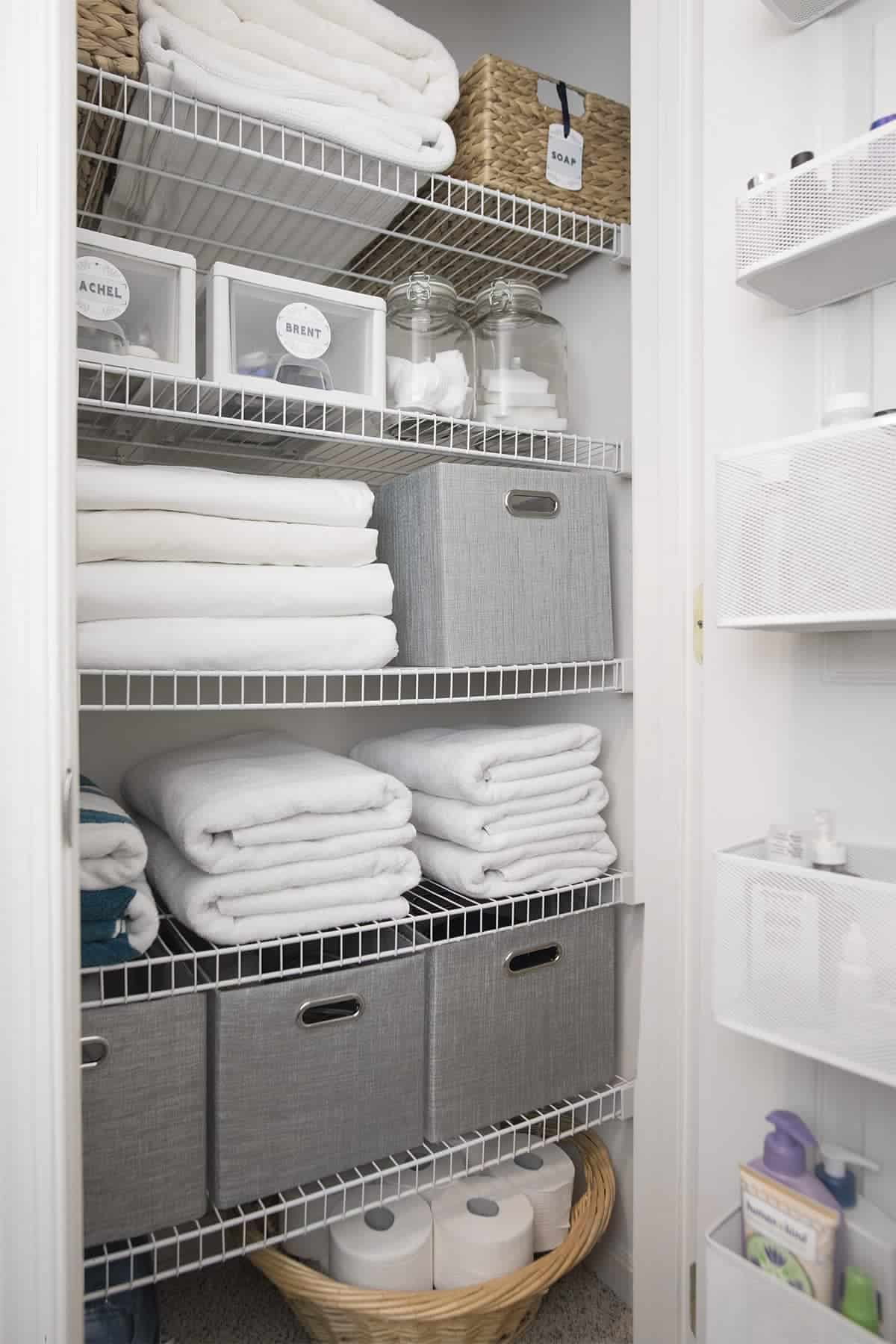
The difference between a good bathroom design and a great bathroom design is often storage. There’s no way around it, we tend to need access to a lot of stuff in the bathroom.
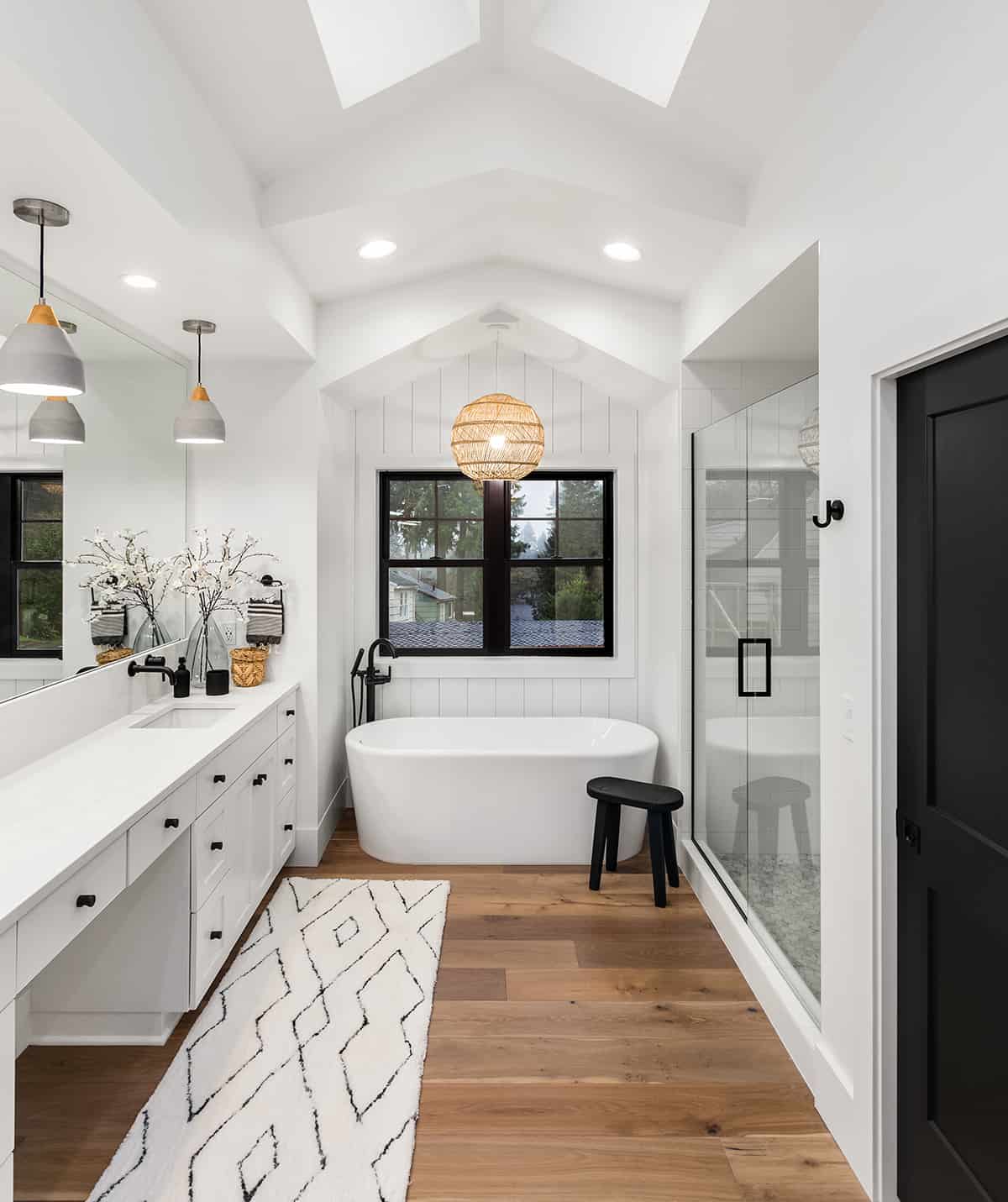
For bathrooms, there’s no need to sacrifice style when I have put together loads of bathroom storage ideas. Small details can make a big difference in maximizing your square footage like linen closet storage done right, or storage ideas for cabinets.
9. Lighting
I’m deeply passionate about lighting. It changes the vibe of a room instantly.
The most successful designs layer light sources to satisfy a variety of needs. Consider flattering lighting for applying makeup and functional lighting for shaving or reading in the tub. Envision setting the mood for morning affirmations or Sunday spa days.
Invest in multiple light sources for a well-lit space. Check out our guide on bathroom lighting for more inspired ideas.
10. Mixing Hardware
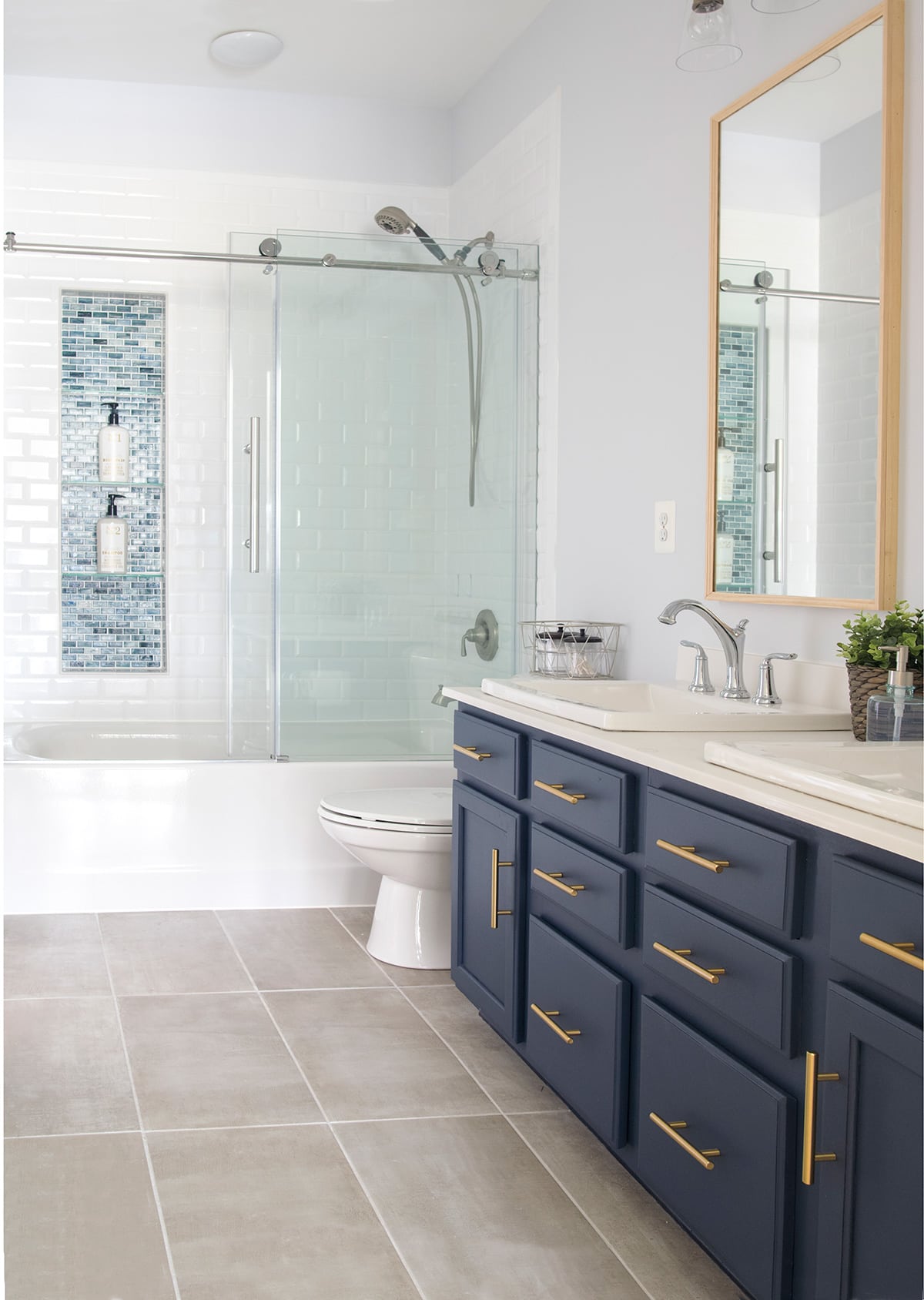
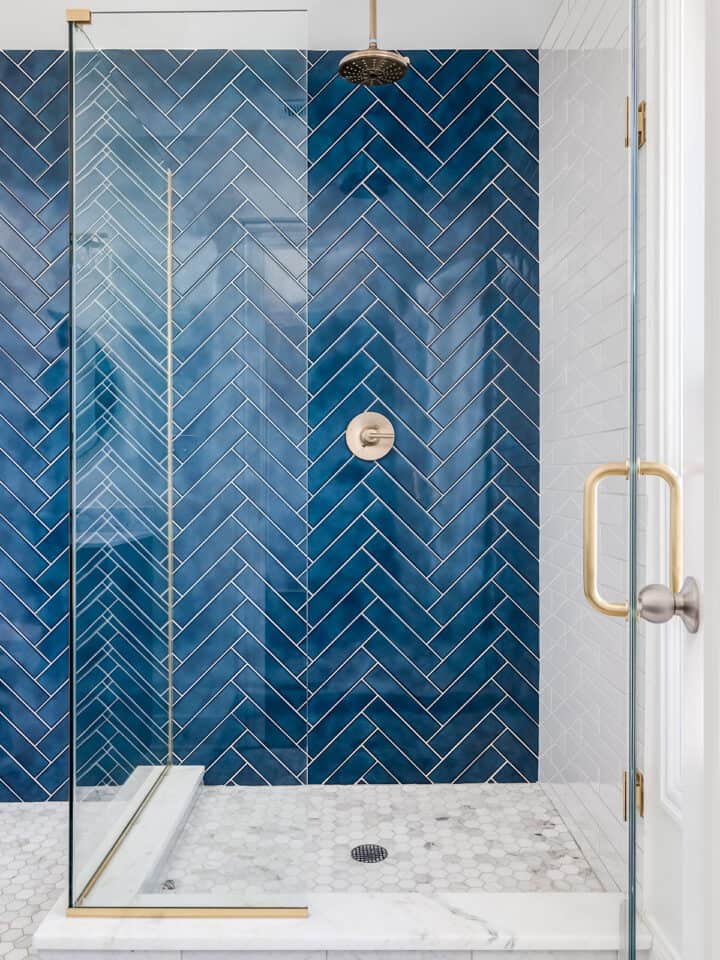
Repeat after me, all of your hardware doesn’t need to match. Free yourself from this antiquated design notion and save yourself the headache of trying to match the doorknobs, faucet finish, light fixtures, and towel bar. From a design standpoint, choosing 2-3 metal finishes adds depth and visual interest.
Metals have different finishes like brushed, satin, lacquered, or antiqued and all give very different vibes.
- Copper gives a sophisticated touch but be careful of the maintenance.
- Black is bold and contrasting for a high end look.
- Gold is perfect for an opulent and glamorous feel.
- Chrome is easy to maintain.
- Nickel has a little warmth and can match almost any color scheme.
Before you begin your design or process, know that intentional contrast is a wonderful thing. Although there are lots of finishes on a variety of objects to consider, as long as you stick with consistent contrast, it will be beautiful.
Grab our free series "Weekend Home Projects that will Transform Your Life" Sign up below to receive updates including free printables, organization tips, home improvement projects, recipes and more! |
More Bathroom Home Improvement Ideas
PS I love seeing your creations! Be sure to take a photo and tag #cravingcreative on Instagram! You can also stay in touch with me through following me on Instagram, Pinterest, and subscribing to the newsletter!
Leave a Reply